

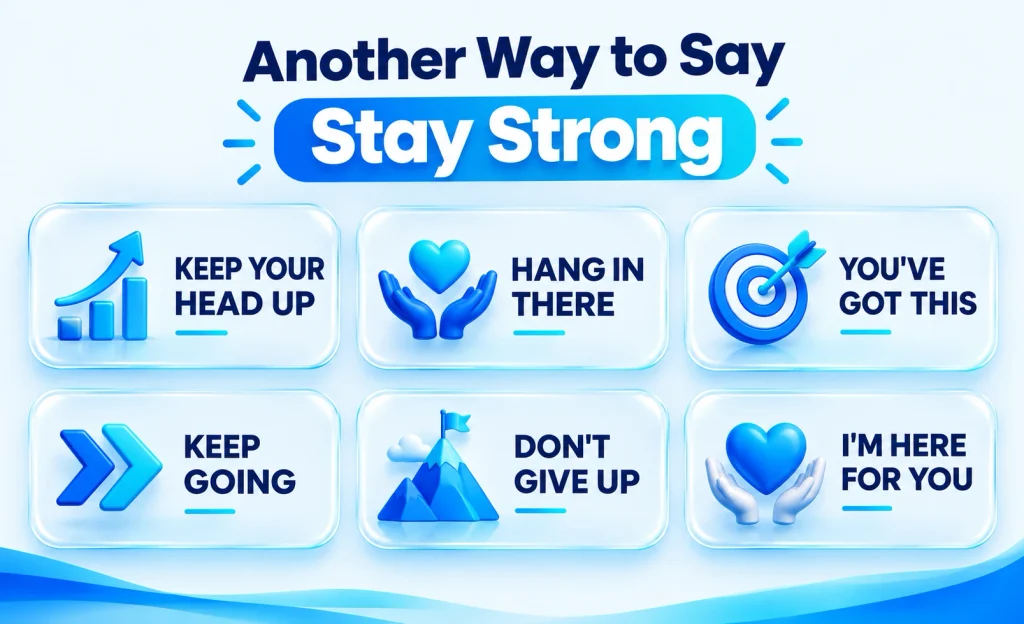
Another way to say “stay strong” is “keep your head up,” “hang in there,” “you’ve got this,” or “stay positive.” These phrases offer encouragement during difficult times, express emotional support, and remind someone to keep going. Choose a warm, personal phrase for a friend and a more professional expression for a colleague.
Key Takeaways
- Choose an alternative based on the person’s situation and your relationship with them.
- Use warm expressions like “I’m here for you” to offer emotional support.
- Say “keep pushing forward” when encouraging someone to pursue a goal.
- Use “you’ve got this” to build confidence before a challenge.
- Avoid minimizing someone’s pain with forced positivity or unrealistic promises.
When someone faces a difficult time, a few thoughtful words can remind them that they are not alone. However, saying “stay strong” repeatedly may feel generic, especially when you want to comfort someone who is grieving, stressed, sick, or dealing with a personal setback.
Finding another way to say “stay strong” helps you communicate care more naturally. Whether you’re writing a text to a friend, sending a message to a coworker, or supporting a family member, the right words can offer hope without dismissing what the person is going through.
What Does “Stay Strong” Mean?
“Stay strong” means to remain hopeful, resilient, and emotionally steady during a difficult situation. It encourages someone to face challenges, manage setbacks, and continue moving forward even when life feels overwhelming.
People commonly use this phrase when someone is experiencing grief, illness, relationship problems, financial stress, or pressure at work. It can also encourage someone before an important event or during a long-term personal challenge.
The phrase doesn’t mean a person must hide their feelings or handle every problem alone. Genuine strength can also mean asking for help, taking a break, and allowing yourself to feel sadness.
Why Use Other Ways to Say “Stay Strong”?
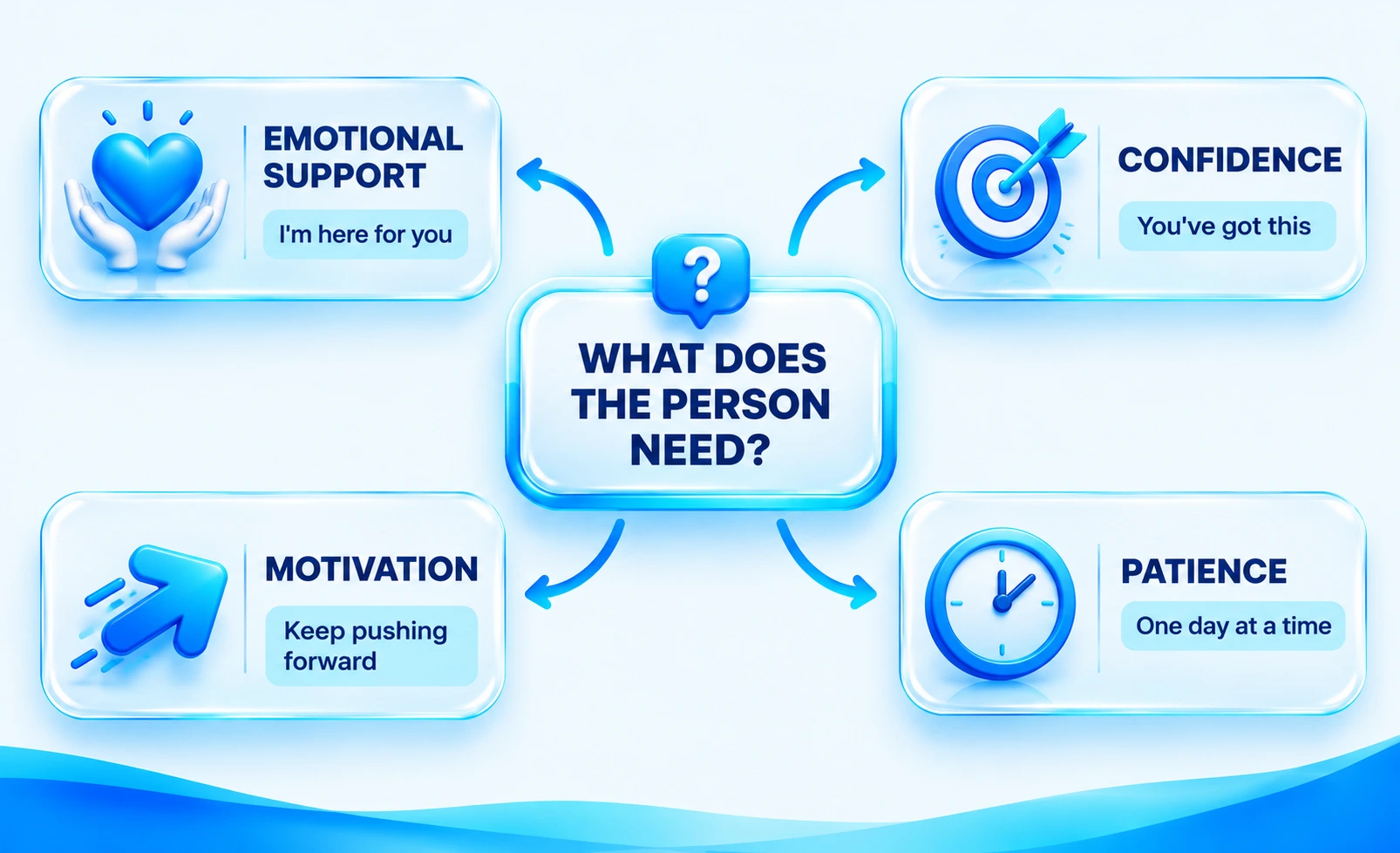
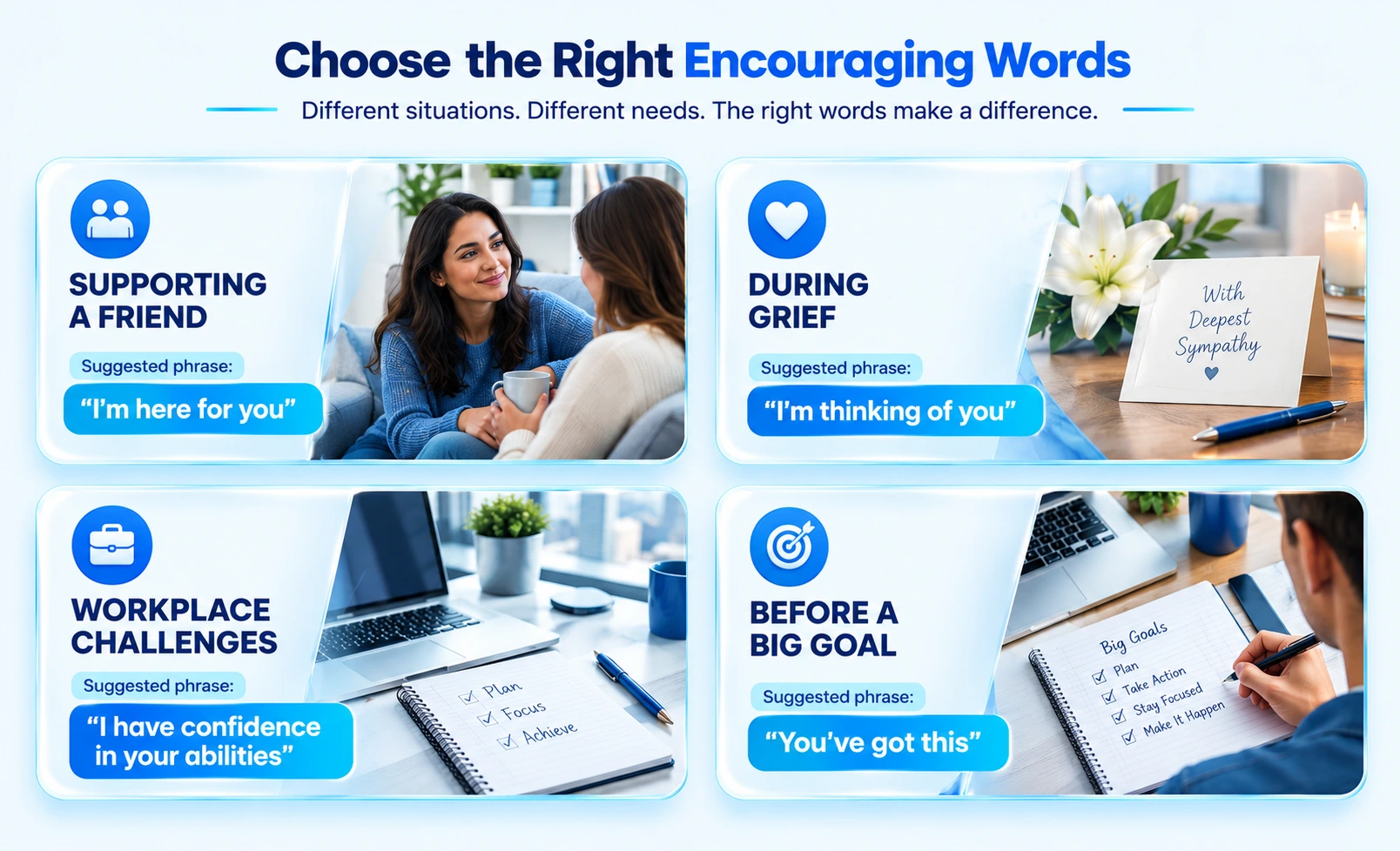
Different situations call for different kinds of encouragement. A close friend might appreciate a heartfelt message, while a coworker may respond better to a respectful expression of confidence.
Using alternative phrases can help you:
- Avoid repetition: Make your messages feel fresh and personal.
- Show empathy: Acknowledge someone’s feelings instead of offering generic advice.
- Build confidence: Remind someone of their abilities and progress.
- Offer practical support: Let people know they can rely on you.
- Match the situation: Choose appropriate language for personal conversations, workplace messages, or difficult moments.
The best expression is not always the most inspiring one. Sometimes, a simple reminder that you’re available to listen means more than telling someone to remain positive.
15 Best Other Ways to Say “Stay Strong”
1. Keep Your Head Up
Meaning: This phrase encourages someone to remain hopeful when things aren’t going well. It reminds them that a difficult moment doesn’t define their future.
Best For: Casual, Friendly, Warm
Example 1: “I know the job search has been frustrating, but keep your head up. The right opportunity may still be ahead.”
Example 2: “Keep your head up, buddy. One bad game doesn’t take away all the work you’ve put in.”
Quick Tip: Use this phrase for everyday setbacks, disappointments, and temporary challenges.
2. Hang in There
Meaning: “Hang in there” means to keep going through a difficult or stressful period. It sounds friendly and reassuring without being overly serious.
Best For: Casual, Friendly, Polite
Example 1: “Hang in there until the end of the semester. You’re making more progress than you realize.”
Example 2: “I know these long shifts have been exhausting, so hang in there. Your days off are coming soon.”
Quick Tip: This phrase works well when the problem is temporary, such as a busy week or a demanding project.
3. You’ve Got This
Meaning: This expression shows confidence in someone’s ability to handle a challenge. It helps build self-belief before an important task or decision.
Best For: Casual, Friendly, Warm
Example 1: “You’ve prepared for this interview for weeks. Walk in confidently because you’ve got this.”
Example 2: “Your first day at the new school might feel intimidating, but you’ve got this!”
Quick Tip: Use it before an exam, interview, presentation, competition, or another situation that requires confidence.
4. Keep Pushing Forward
Meaning: This phrase encourages someone to continue working toward a goal despite obstacles. It emphasizes persistence and progress rather than simply remaining hopeful.
Best For: Professional, Friendly, Warm
Example 1: “Your business is growing slowly, but keep pushing forward and learning from each setback.”
Example 2: “You’ve made real progress in physical therapy. Keep pushing forward at a pace that works for you.”
Quick Tip: Choose this phrase when someone needs motivation to continue a longer journey.
5. I’m Here for You
Meaning: This is a caring way to tell someone they don’t have to face a difficult situation alone. It offers emotional support instead of placing pressure on them to appear strong.
Best For: Warm, Friendly, Polite
Example 1: “I know losing your grandmother has been painful. I’m here for you whenever you need to talk.”
Example 2: “You don’t have to figure everything out tonight. I’m here for you, even if you just need company.”
Quick Tip: Use this expression when someone is grieving, feeling overwhelmed, or experiencing a personal crisis. Offer specific help if you can.
6. One Day at a Time
Meaning: This phrase reminds someone to focus on the present rather than worrying about everything that lies ahead. It encourages patience during uncertain or overwhelming periods.
Best For: Warm, Friendly, Polite
Example 1: “Recovering after surgery can take time, so take it one day at a time.”
Example 2: “You don’t need to solve every family problem this week. Just take it one day at a time.”
Quick Tip: Use this phrase when a situation feels too big to manage all at once.
7. Don’t Give Up
Meaning: “Don’t give up” encourages someone to continue despite frustration or disappointment. It expresses confidence that further effort may lead to improvement.
Best For: Casual, Friendly, Warm
Example 1: “You’ve practiced the piano for months. Don’t give up just because this piece is difficult.”
Example 2: “The first few weeks of your job search have been tough, but don’t give up on finding a good fit.”
Quick Tip: Make sure the person still wants to pursue the goal before encouraging them to continue.
8. You’ve Got What It Takes
Meaning: This phrase reassures someone that they have the skills, character, or ability to face a challenge. It offers a more personal form of encouragement than a general motivational statement.
Best For: Professional, Friendly, Warm
Example 1: “You’ve handled difficult clients before, and you’ve got what it takes to lead this meeting.”
Example 2: “I believe you’ve got what it takes to finish your degree, even if the process takes longer than expected.”
Quick Tip: Mention a specific strength or past achievement to make your encouragement more convincing.
9. Stay Positive
Meaning: “Stay positive” encourages someone to maintain hope and look for constructive possibilities during a challenging time. It focuses on attitude and perspective.
Best For: Casual, Friendly, Polite
Example 1: “The weather may change our plans, but let’s stay positive and find something fun to do indoors.”
Example 2: “You’ve received some disappointing news, but try to stay positive while you consider your next steps.”
Quick Tip: Avoid using this phrase alone when someone is grieving or deeply upset. Acknowledge their feelings first.
10. Keep Going
Meaning: This simple phrase encourages someone to continue taking steps toward a goal, even when progress feels slow. It is direct, flexible, and easy to use in everyday conversations.
Best For: Casual, Friendly, Professional
Example 1: “Your writing is getting clearer with every draft. Keep going and trust the editing process.”
Example 2: “You finished the first five miles of the hike. Keep going if you feel comfortable continuing.”
Quick Tip: Use it for steady effort, learning, training, and other situations where small steps matter.
11. You’re Stronger Than You Think
Meaning: This expression reminds someone that they may have more resilience than they recognize. It encourages confidence by helping them see their own ability to handle adversity.
Best For: Warm, Friendly, Polite
Example 1: “You’ve adapted to so many changes this year. You’re stronger than you think.”
Example 2: “I know this transition feels uncertain, but you’re stronger than you think, and you can ask for help along the way.”
Quick Tip: Use it with someone who doubts themselves, and support the message with a genuine example of their resilience.
12. Take Heart
Meaning: “Take heart” means to find courage, comfort, or hope in a difficult situation. It sounds slightly more formal and thoughtful than many everyday alternatives.
Best For: Formal, Polite, Warm
Example 1: “Take heart in the progress your team has made, even though the final results aren’t here yet.”
Example 2: “Take heart knowing that your family is supporting you throughout this difficult transition.”
Quick Tip: This phrase suits thoughtful notes, written encouragement, and more formal conversations.
13. Keep Believing in Yourself
Meaning: This phrase encourages someone to trust their abilities and continue believing in their potential. It is especially useful when criticism, rejection, or failure has affected their confidence.
Best For: Friendly, Warm, Professional
Example 1: “That rejection doesn’t erase your talent. Keep believing in yourself and continue building your portfolio.”
Example 2: “As you prepare for the audition, keep believing in yourself and remember how much you’ve practiced.”
Quick Tip: Pair this phrase with specific praise to make it feel sincere rather than generic.
14. You’ve Made It Through Hard Things Before
Meaning: This expression reminds someone of past challenges they have overcome. It encourages hope by connecting their previous experiences with their current ability to cope.
Best For: Warm, Friendly, Polite
Example 1: “I know starting over feels scary, but you’ve made it through hard things before, and you don’t have to do this alone.”
Example 2: “Remember how you handled that difficult move last year? You’ve made it through hard things before.”
Quick Tip: Use it when you know the person’s history and can refer to it with care. Don’t compare their current pain with an experience they found traumatic.
15. I’m Rooting for You
Meaning: “I’m rooting for you” means you hope someone succeeds and want to see them do well. It communicates encouragement while allowing them to face the challenge in their own way.
Best For: Casual, Friendly, Warm
Example 1: “Your certification exam is next Friday, and I’m rooting for you every step of the way.”
Example 2: “I know launching your first book takes courage. I’m rooting for you and can’t wait to see what happens.”
Quick Tip: This is a natural choice when someone is pursuing a goal and would appreciate knowing you support them.
Comparison Table: Alternatives to “Stay Strong”
| Alternative | Best Used In | Tone |
|---|---|---|
| Keep your head up | Everyday setbacks | Friendly |
| Hang in there | Stressful periods | Casual |
| You’ve got this | Exams and challenges | Confident |
| Keep pushing forward | Long-term goals | Motivational |
| I’m here for you | Personal struggles | Caring |
| One day at a time | Overwhelming situations | Reassuring |
| Don’t give up | Difficult goals | Encouraging |
| You’ve got what it takes | Work and personal goals | Confident |
| Stay positive | Everyday challenges | Optimistic |
| Keep going | Learning and progress | Direct |
| You’re stronger than you think | Self-doubt | Supportive |
| Take heart | Thoughtful messages | Gentle |
| Keep believing in yourself | Rejection and uncertainty | Uplifting |
| You’ve made it through hard things before | Personal setbacks | Empathetic |
| I’m rooting for you | Goals and milestones | Warm |
Common Mistakes When Choosing Another Way to Say “Stay Strong”
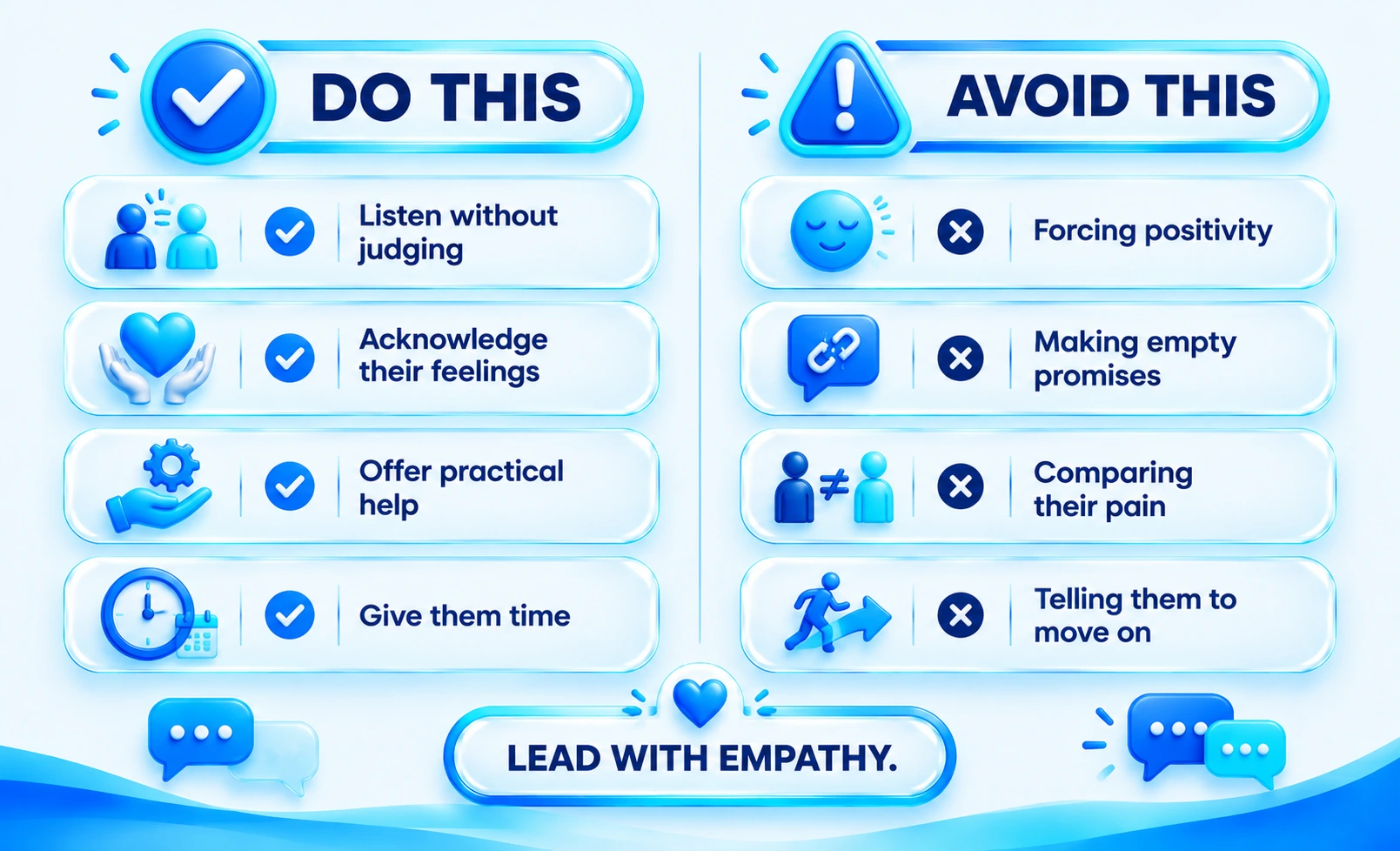
Even a positive message can sound insensitive if you use it in the wrong situation. Keep these five common mistakes in mind.
1. Using casual phrases in professional emails. Expressions such as “hang in there” can work with familiar coworkers but may feel too informal in a formal business message. Consider “I wish you the best as you work through this challenge.”
2. Choosing overly formal language. Phrases such as “take heart” may sound unnatural in a quick text to a close friend. Choose words that match how you normally speak.
3. Repeating the same phrase. Sending “stay strong” every time someone struggles can make your messages feel less personal. Mention something specific about their situation instead.
4. Ignoring the person’s feelings. Telling someone to “stay positive” immediately after a painful loss can make them feel unheard. Acknowledge their emotions before offering encouragement.
5. Making promises you cannot keep. Saying “everything will be fine” may sound comforting, but you cannot always know the outcome. Offer honest reassurance and practical support instead.
Frequently Asked Questions

1. What is the best alternative to “stay strong”?
“You’ve got this” is an excellent alternative when someone needs confidence, while “I’m here for you” works well when they need emotional support. For a general setback, “keep your head up” is a natural choice. The best phrase depends on what the person is experiencing and how you want to support them.
2. How do you tell someone to stay strong in a nice way?
Use gentle, caring language that recognizes their situation. You could say, “Take things one day at a time,” “I’m thinking of you,” or “You don’t have to go through this alone.” These expressions offer reassurance without making someone feel they must hide their emotions or remain positive all the time.
3. What is another way to say “stay strong” to a friend?
You can tell a friend, “I’m rooting for you,” “Hang in there,” or “I’ve got your back.” If your friend is going through something painful, try “I’m here whenever you need me.” A personal message that shows you understand their situation often feels more meaningful than a general motivational phrase.
4. How do you say “stay strong” professionally?
In professional communication, you can say “I wish you the best as you navigate this challenge,” “I have confidence in your abilities,” or “Please know that you have my support.” These phrases communicate encouragement while maintaining a respectful tone. Choose language that fits your relationship with the recipient and the seriousness of the situation.
5. What can I say instead of “stay strong” to someone who is grieving?
When someone is grieving, try saying, “I’m so sorry you’re going through this,” “I’m thinking of you,” or “I’m here if you need anything.” You can also offer specific help, such as bringing a meal or running an errand. Avoid pressuring them to recover quickly or suggesting they should feel positive.
6. What is a short motivational phrase like “stay strong”?
Short alternatives include “Keep going,” “You’ve got this,” “Don’t give up,” and “Keep your head up.” Each offers a slightly different kind of encouragement. Choose “keep going” for persistence, “you’ve got this” for confidence, and “don’t give up” when someone needs motivation to continue pursuing a goal.
7. Is “hang in there” the same as “stay strong”?
The expressions are similar, but their emphasis differs slightly. “Stay strong” encourages resilience, while “hang in there” suggests enduring a difficult period until circumstances improve or become easier to manage. Both are common in casual American English, although “hang in there” often sounds more conversational and relaxed.
8. How can I encourage someone without sounding insensitive?
Start by acknowledging what the person is facing instead of immediately telling them to be positive. For example, say, “I know this has been difficult, and I’m here to listen.” Avoid comparing their experience with someone else’s or promising that everything will work out. Honest empathy and practical help can make your words more meaningful.
Conclusion
Finding another way to say “stay strong” helps you offer encouragement that feels personal, thoughtful, and appropriate. While “keep your head up” works well for everyday disappointments, “you’ve got this” builds confidence, and “I’m here for you” offers comfort during emotional struggles. For professional conversations, choose respectful expressions that recognize someone’s efforts without sounding overly familiar.
Remember that encouragement isn’t always about telling someone to keep going. Sometimes, people need permission to rest, express their feelings, or ask for help. A sincere message that acknowledges their difficulties can be more comforting than a motivational quote.
Before sending your next message, consider what the person needs most: confidence, hope, understanding, or practical support. The best alternative to “stay strong” is the one that makes someone feel heard, supported, and less alone.

The Majestic Studio Editorial Team creates practical resources about synonyms, alternative phrases, vocabulary, and English usage. Our content is designed to help readers choose clearer, more natural words and communicate effectively in everyday, professional, and academic contexts.
Each article is researched, edited, and reviewed for clarity, context, usefulness, and language accuracy. We regularly update our content to keep examples and recommendations relevant.