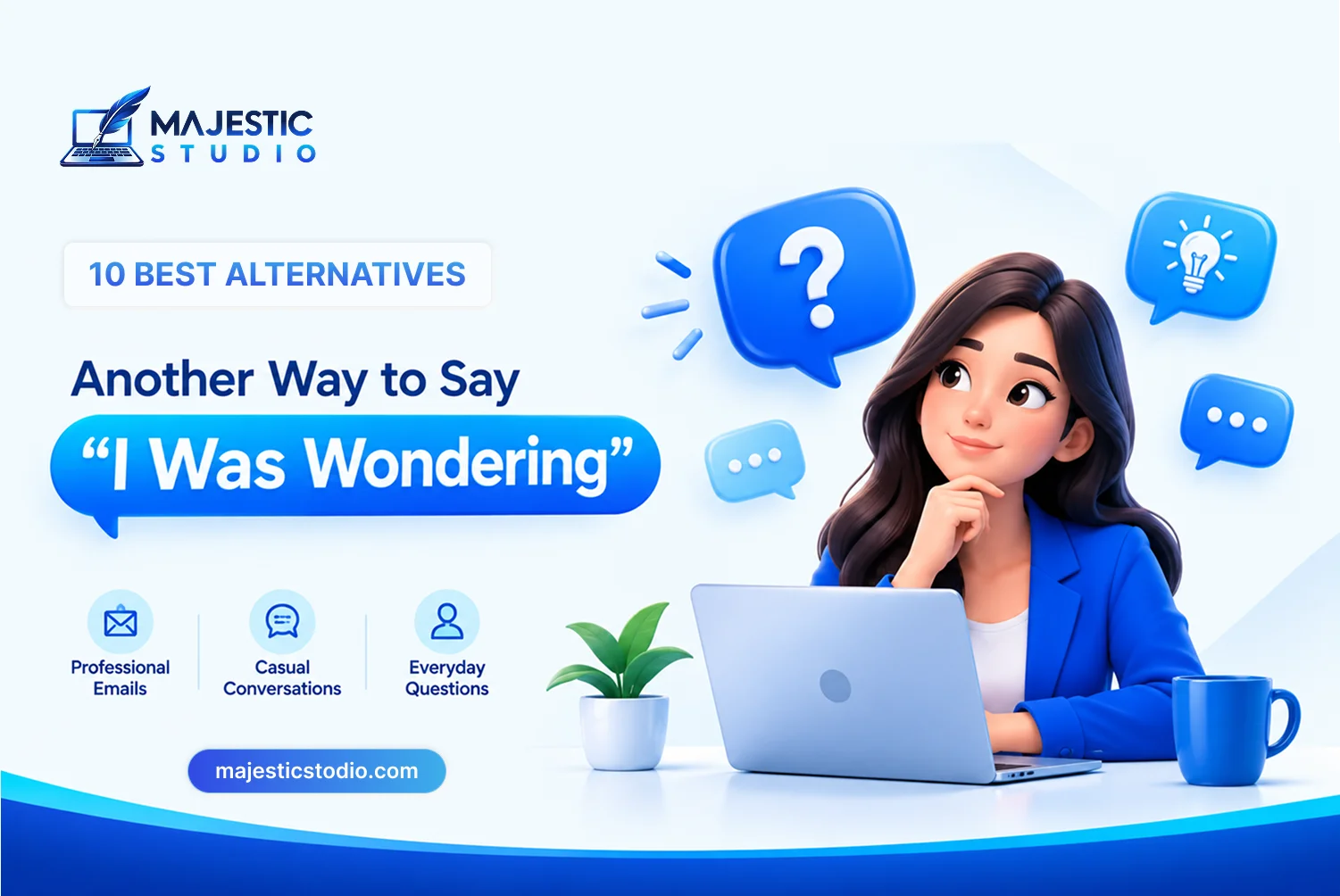
If you’re looking for another way to say “I was wondering,” you can use phrases such as “I wanted to ask,” “I was hoping to ask,” “I wanted to check,” or “I’d like to ask.” The best choice depends on whether you want to sound professional, polite, casual, friendly, or formal.
Key Takeaways
- “I was wondering” is a polite way to introduce a question or request.
- “I wanted to ask” is a natural choice for everyday and professional communication.
- “I was hoping to ask” sounds especially polite and considerate.
- More direct alternatives can make emails and conversations clearer.
- Choose your wording based on the relationship, setting, and level of formality.
What Does “Another Way to Say I Was Wondering” Mean?
The phrase “I was wondering” is commonly used before a question, request, or thought. It softens the statement and makes the speaker sound less demanding.
For example, you might say, “I was wondering if you could send me the report.” It is polite, but using the same phrase repeatedly can make your writing sound predictable.
Looking for another way to say “I was wondering” usually means you want a fresh phrase that keeps the same polite meaning while fitting the situation better.
You may need an alternative in a professional email, a message to a friend, a customer-service conversation, or a formal request.
Why Use Other Ways to Say “I Was Wondering”?
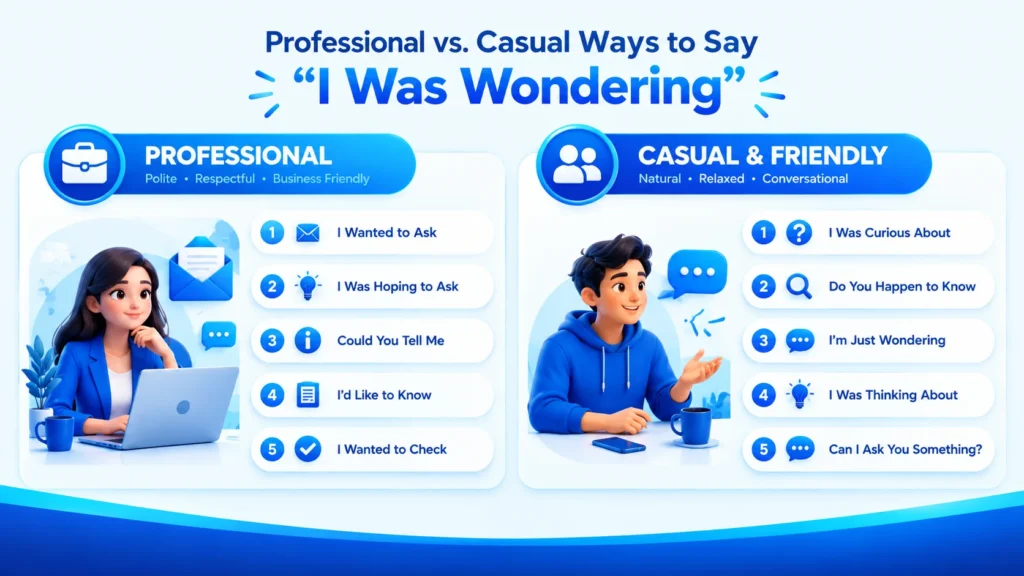
Using different expressions can make your communication sound more natural and purposeful. The right alternative can also show how formal, friendly, direct, or cautious you want to be.
Here are a few reasons to choose another expression:
- Avoid repetition: Prevent the same phrase from appearing throughout your emails.
- Sound more natural: Choose wording that matches everyday American English.
- Match the situation: Use formal language for business and relaxed wording with friends.
- Improve professional communication: Make requests clear without sounding demanding.
- Show politeness: Some alternatives soften a question while keeping your meaning clear.
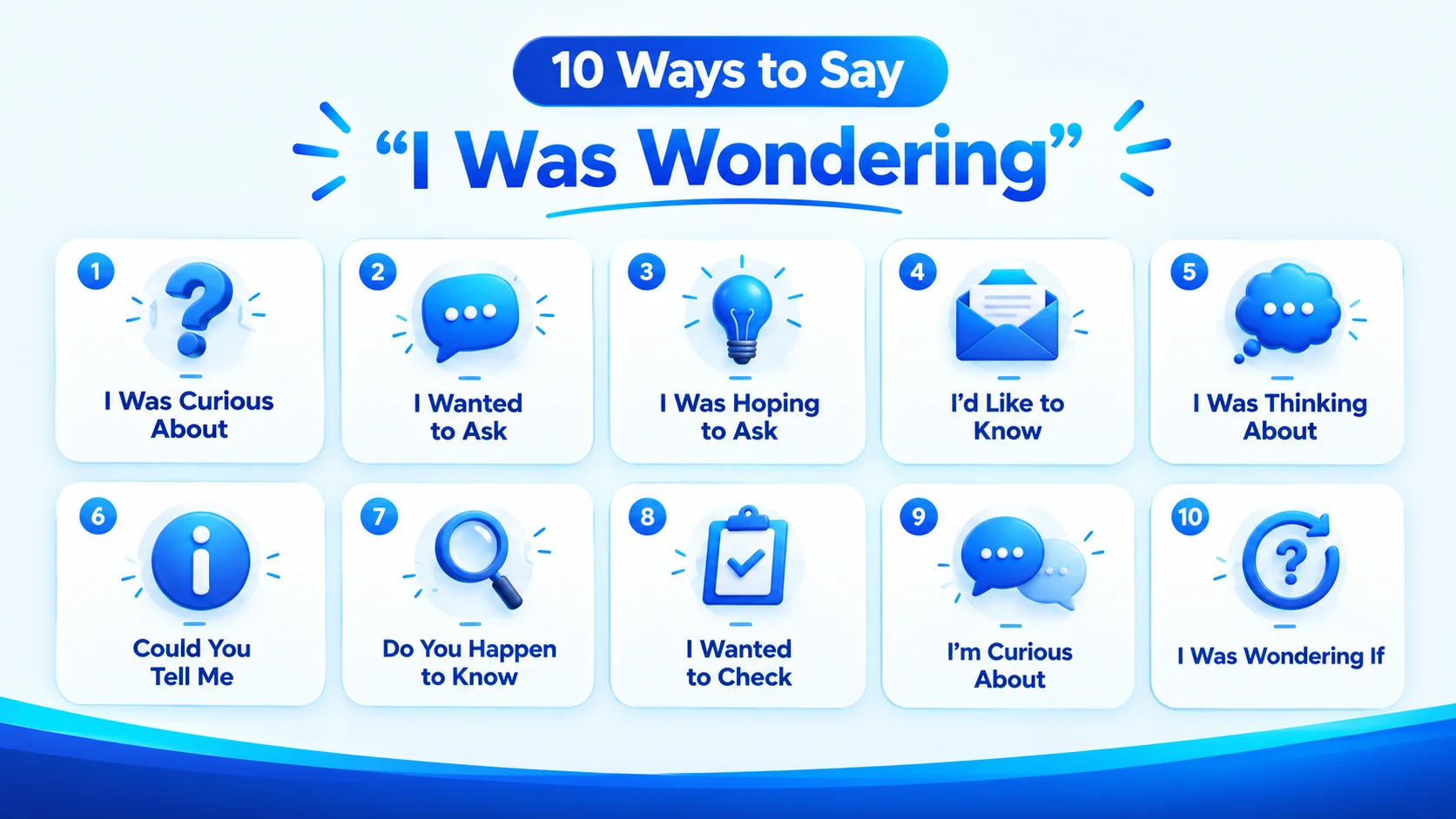
10 Best Other Ways to Say “I Was Wondering”
1. I Wanted to Ask
Meaning
“I wanted to ask” is one of the most natural alternatives to “I was wondering.” It introduces a question or request in a polite but straightforward way.
It works well because it sounds conversational without being too casual or overly formal.
Best For
- Professional
- Casual
- Friendly
- Polite
Example 1
I wanted to ask if you have a few minutes to discuss the proposal.
Example 2
I wanted to ask whether you’ve decided on a date for the meeting.
Quick Tip
Use this phrase when you want a safe, versatile option that works in both conversations and emails.
2. I Was Hoping to Ask
Meaning
“I was hoping to ask” sounds especially considerate because it presents your question as a polite request rather than a demand.
It is useful when you want to give the other person room to say no or respond when convenient.
Best For
- Professional
- Formal
- Warm
- Polite
Example 1
I was hoping to ask if you could review my application before Friday.
Example 2
I was hoping to ask whether you’d be available for a quick call tomorrow.
Quick Tip
Choose this phrase when your request requires the other person’s time, help, or permission.
3. I Wanted to Check
Meaning
“I wanted to check” is useful when you are confirming information or making sure something is correct. It sounds natural and professional without being stiff.
It often works better than “I was wondering” when your question is specifically about confirmation.
Best For
- Professional
- Casual
- Polite
Example 1
I wanted to check whether the updated contract has been approved.
Example 2
I wanted to check if you received the files I sent yesterday.
Quick Tip
Use this option when you are following up or confirming something rather than asking a completely new question.
4. I’d Like to Ask
Meaning
“I’d like to ask” is a clear and polite way to introduce a question. It sounds slightly more formal than “I wanted to ask,” making it useful in professional or formal settings.
The phrase is direct while still maintaining a respectful tone.
Best For
- Professional
- Formal
- Polite
Example 1
I’d like to ask about the requirements for submitting a revised application.
Example 2
I’d like to ask whether the department has finalized its schedule.
Quick Tip
Use this phrase when you want your writing to sound polished and professional without becoming overly formal.
5. I’m Reaching Out to Ask
Meaning
“I’m reaching out to ask” is common in American professional communication, especially emails and business messages. It clearly explains why you are contacting someone.
It is a useful replacement when your question is the main reason for your message.
Best For
- Professional
- Formal
- Polite
Example 1
I’m reaching out to ask about the status of my application.
Example 2
I’m reaching out to ask whether your team is accepting new project requests.
Quick Tip
Use it mainly for emails or professional messages, especially when contacting someone you do not communicate with regularly.
6. Could You Tell Me
Meaning
“Could you tell me” changes the structure from a statement about your thoughts into a direct but polite question.
It is especially helpful when you simply need information from another person.
Best For
- Professional
- Casual
- Friendly
- Polite
Example 1
Could you tell me when the next training session begins?
Example 2
Could you tell me where I should send the completed form?
Quick Tip
This is a strong choice when clarity matters more than explaining why you are asking.
7. Would You Mind Telling Me
Meaning
“Would you mind telling me” is a softer way to request information. It can sound particularly considerate because it acknowledges that the other person may be busy or may not be able to help.
The phrase is polite without necessarily sounding formal.
Best For
- Formal
- Friendly
- Warm
- Polite
Example 1
Would you mind telling me which version of the document you prefer?
Example 2
Would you mind telling me how you heard about our service?
Quick Tip
Use it when you want to make a question feel gentle and respectful, especially when speaking with someone you do not know well.
8. I’d Appreciate Your Thoughts on
Meaning
“I’d appreciate your thoughts on” is ideal when you want an opinion, recommendation, or feedback rather than a simple fact.
It also communicates respect for the other person’s knowledge or judgment.
Best For
- Professional
- Formal
- Warm
- Polite
Example 1
I’d appreciate your thoughts on the proposed changes to the website.
Example 2
I’d appreciate your thoughts on which approach would work best for the team.
Quick Tip
Choose this alternative when you are asking someone to share an opinion or provide feedback.
9. I’m Curious Whether
Meaning
“I’m curious whether” expresses genuine interest in an answer. It sounds more conversational than many professional alternatives, so it works well when you want to sound interested rather than overly cautious.
It is especially natural in informal discussions.
Best For
- Casual
- Friendly
- Warm
Example 1
I’m curious whether you’ve tried the new restaurant downtown.
Example 2
I’m curious whether the team plans to expand the program next year.
Quick Tip
Use this phrase when your question comes from genuine interest and you want your tone to feel relaxed.
10. I Wanted to See If
Meaning
“I wanted to see if” is a flexible expression often used before requests, availability questions, or possible arrangements.
It sounds natural in American English and can soften a request without making it unnecessarily complicated.
Best For
- Professional
- Casual
- Friendly
- Polite
Example 1
I wanted to see if you’d be available for lunch next week.
Example 2
I wanted to see if we could move the appointment to Thursday.
Quick Tip
Use it when you are proposing an option or asking whether something is possible.
Comparison Table
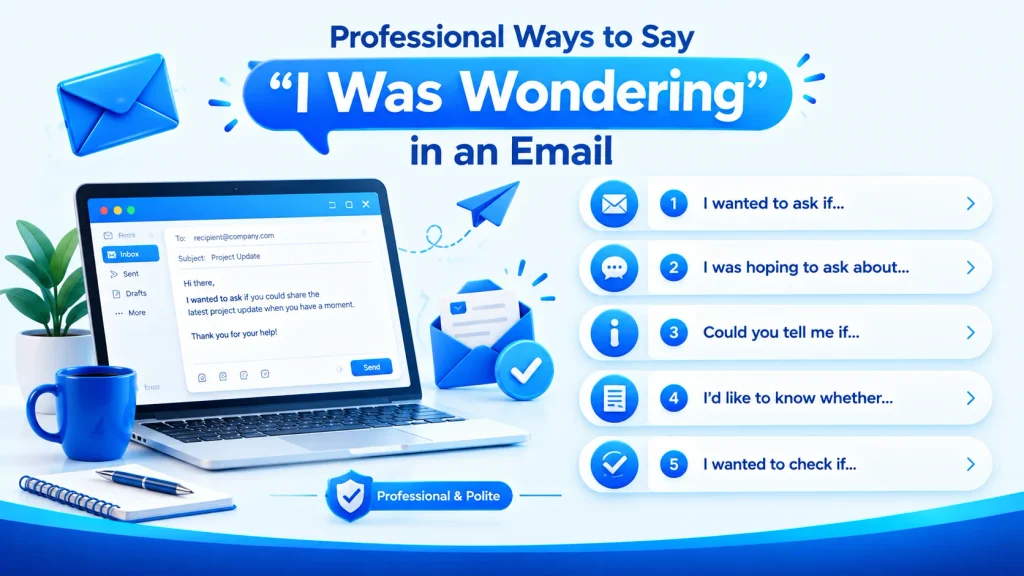
| Alternative | Best Used In | Tone |
| I Wanted to Ask | Emails, conversations | Polite, natural |
| I Was Hoping to Ask | Requests, professional messages | Warm, considerate |
| I Wanted to Check | Follow-ups, confirmations | Professional, neutral |
| I’d Like to Ask | Business and formal settings | Polished, formal |
| I’m Reaching Out to Ask | Professional emails | Professional, courteous |
| Could You Tell Me | Direct questions | Clear, polite |
| Would You Mind Telling Me | Requests for information | Gentle, respectful |
| I’d Appreciate Your Thoughts on | Feedback and opinions | Respectful, professional |
| I’m Curious Whether | Casual conversations | Friendly, interested |
| I Wanted to See If | Suggestions and possibilities | Polite, flexible |
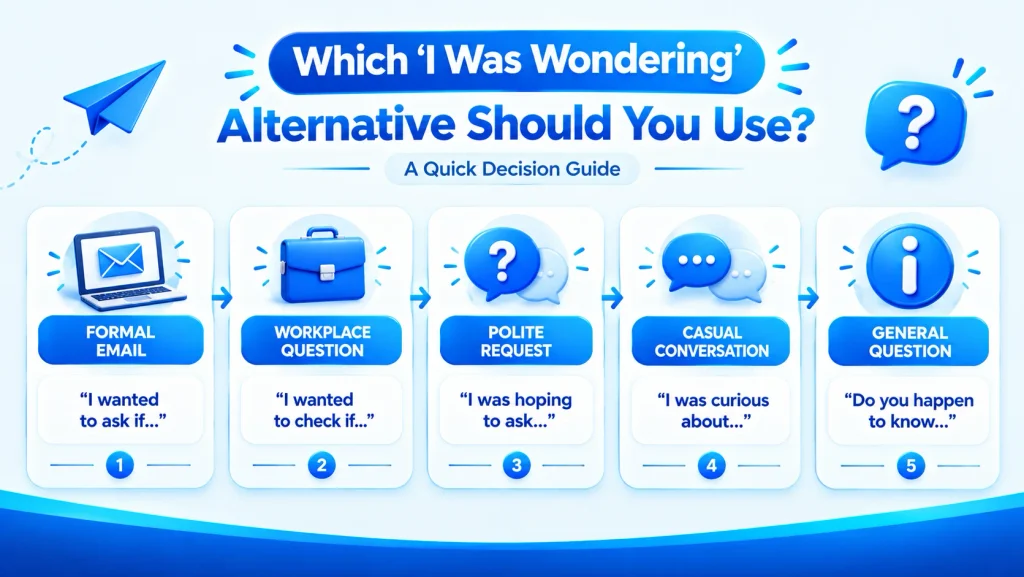
Common Mistakes
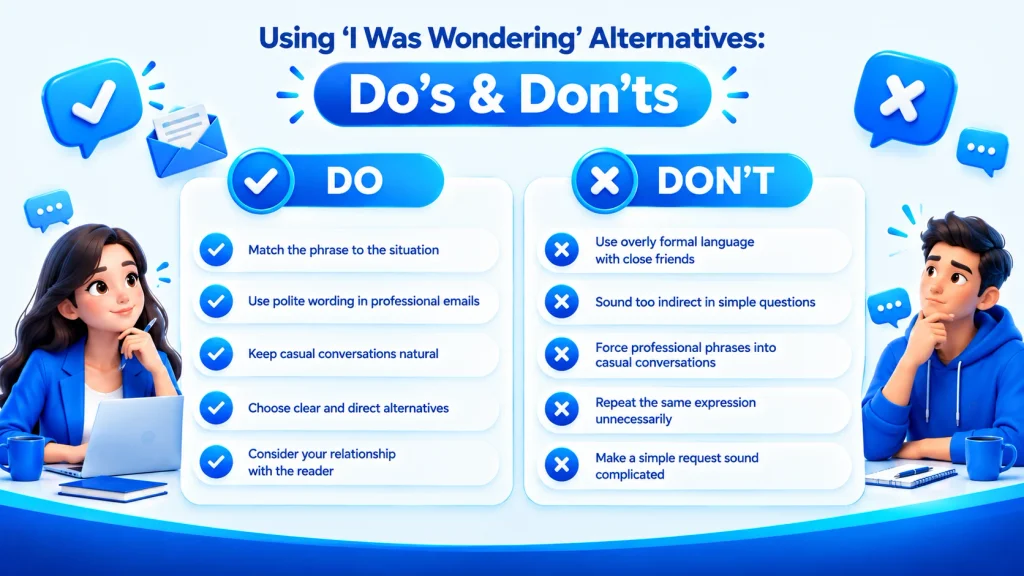
1. Using Casual Phrases in Professional Emails
A phrase that works with a friend may not fit a client, manager, or hiring professional. Consider the relationship before choosing a casual alternative such as “I’m curious whether.”
2. Choosing Overly Formal Language
Not every professional email needs formal wording. Phrases such as “I’d like to ask” are appropriate, but overly elaborate language can make a simple question sound unnatural.
3. Repeating the Same Phrase
Using “I was wondering” several times in one email can make your writing feel repetitive. Switch to a suitable alternative when the context changes.
4. Forgetting Context
Not every alternative has the same purpose. “I wanted to check” works well for confirmation, while “I’d appreciate your thoughts on” is better when requesting an opinion.
5. Sounding Insincere
Polite language should still sound genuine. If you need a simple answer, avoid adding unnecessary softening that makes your message longer or less clear.
Frequently Asked Questions
1. What is another way to say “I was wondering”?
Common alternatives include “I wanted to ask,” “I was hoping to ask,” “I wanted to check,” and “I’d like to ask.” For professional emails, “I wanted to ask” is usually the safest choice because it sounds natural, polite, and direct without being too formal.
2. What is a professional way to say “I was wondering”?
“I wanted to ask” is a strong professional alternative. You can also use “I’d like to ask,” “I wanted to check,” or “I’m reaching out to ask.” The best choice depends on whether you are requesting information, following up, or asking someone to take action.
3. How do you say “I was wondering” in a polite way?
“I was hoping to ask,” “Would you mind telling me,” and “I’d appreciate your thoughts on” are polite alternatives. Each one creates a slightly different tone, so choose based on what you need from the other person and how formal the situation is.
4. Is “I wanted to ask” better than “I was wondering”?
Neither phrase is always better. “I wanted to ask” is often more direct and conversational, while “I was wondering” can sound softer. In professional communication, either can work well when the sentence is clear and appropriate for the situation.
5. What can I say instead of “I was wondering if”?
You can say “I wanted to ask if,” “I wanted to see if,” “I was hoping to ask if,” or simply “Could you.” For example, instead of “I was wondering if you’re available,” you could write, “I wanted to see if you’re available.”
6. Is “I’m reaching out to ask” professional?
Yes. “I’m reaching out to ask” is common in American workplace communication and professional emails. It clearly explains the reason for contacting someone. However, it can sound slightly formulaic, so “I wanted to ask” may feel more natural for a short or familiar conversation.
7. What is a casual alternative to “I was wondering”?
“I’m curious whether” is a natural casual option. You can also simply ask the question directly. For example, instead of saying, “I was wondering what you thought,” you could say, “I’m curious what you think.”
8. How can I avoid sounding too demanding when asking a question?
Use polite wording that fits the situation, such as “Could you tell me,” “I was hoping to ask,” or “Would you mind telling me.” At the same time, keep your request clear. Being polite does not mean making your message unnecessarily long or indirect.
Conclusion
Finding another way to say “I was wondering” can make your communication sound fresher, clearer, and more natural. The best alternative depends on what you are trying to accomplish and who you are speaking with.
For everyday or professional questions, “I wanted to ask” is a reliable choice. If you want to sound especially considerate, “I was hoping to ask” works well. For a follow-up, “I wanted to check” is more precise, while “I’d appreciate your thoughts on” is better when requesting feedback.
The key is to match the phrase to the situation instead of replacing “I was wondering” automatically. A simple, natural expression that fits your audience will usually make the strongest impression. For more guidance on clear and professional communication, see this guide to professional email etiquette.