
Another way to say “until we meet again” is “see you soon,” “until next time,” “take care,” or “I look forward to seeing you again.” These phrases express the hope of meeting someone in the future. The best choice depends on your relationship, the situation, and whether you want to sound casual, professional, warm, or emotional.
Key Takeaways
- “Until next time” is a natural choice for everyday goodbyes.
- “See you soon” works well with friends, family, and familiar coworkers.
- “I look forward to seeing you again” suits professional and formal settings.
- “Take care until we meet again” adds warmth and concern.
- “Until our paths cross again” creates a thoughtful, reflective, or poetic tone.
Saying goodbye can feel difficult when you do not know exactly when you will see someone again. The phrase “until we meet again” offers a hopeful way to end a conversation while suggesting that the separation is not permanent.
However, you may want a different expression for a work email, a heartfelt message, a social media caption, or a goodbye to someone you care about. The right words can make your farewell sound more natural and communicate the feelings you want to express.
In this guide, you will find 15 alternatives to “until we meet again,” along with their meanings, examples, and tips for choosing the right phrase.
What Does “Until We Meet Again” Mean?

“Until we meet again” is a farewell expression that communicates the hope or expectation of seeing someone in the future. It acknowledges that two people are parting ways without treating the goodbye as a final one.
People use this phrase when leaving friends, saying goodbye to family members, ending meaningful conversations, or parting with colleagues. It can also appear in letters, farewell speeches, cards, and social media posts.
The expression often sounds warm, sentimental, or slightly formal. Depending on the situation, it may suggest affection, optimism, or a sense of lasting connection.
Why Use Other Ways to Say “Until We Meet Again”?

Although “until we meet again” is meaningful, using a different phrase can help you match your message to the situation.
For example, a quick goodbye to a coworker may need a simple expression, while a farewell to a close friend may call for something more heartfelt.
Consider using an alternative to:
- Avoid repetition: Keep conversations, emails, and messages from sounding repetitive.
- Sound more natural: Choose words that fit everyday American English.
- Match the occasion: Adjust your farewell for professional meetings, personal visits, or long separations.
- Express emotion: Show affection, appreciation, hope, or encouragement.
- Communicate professionally: End a business conversation with a polite and confident closing.
The goal is not to find a phrase that sounds more complicated. It is to choose one that communicates your feelings clearly.
15 Best Other Ways to Say “Until We Meet Again”
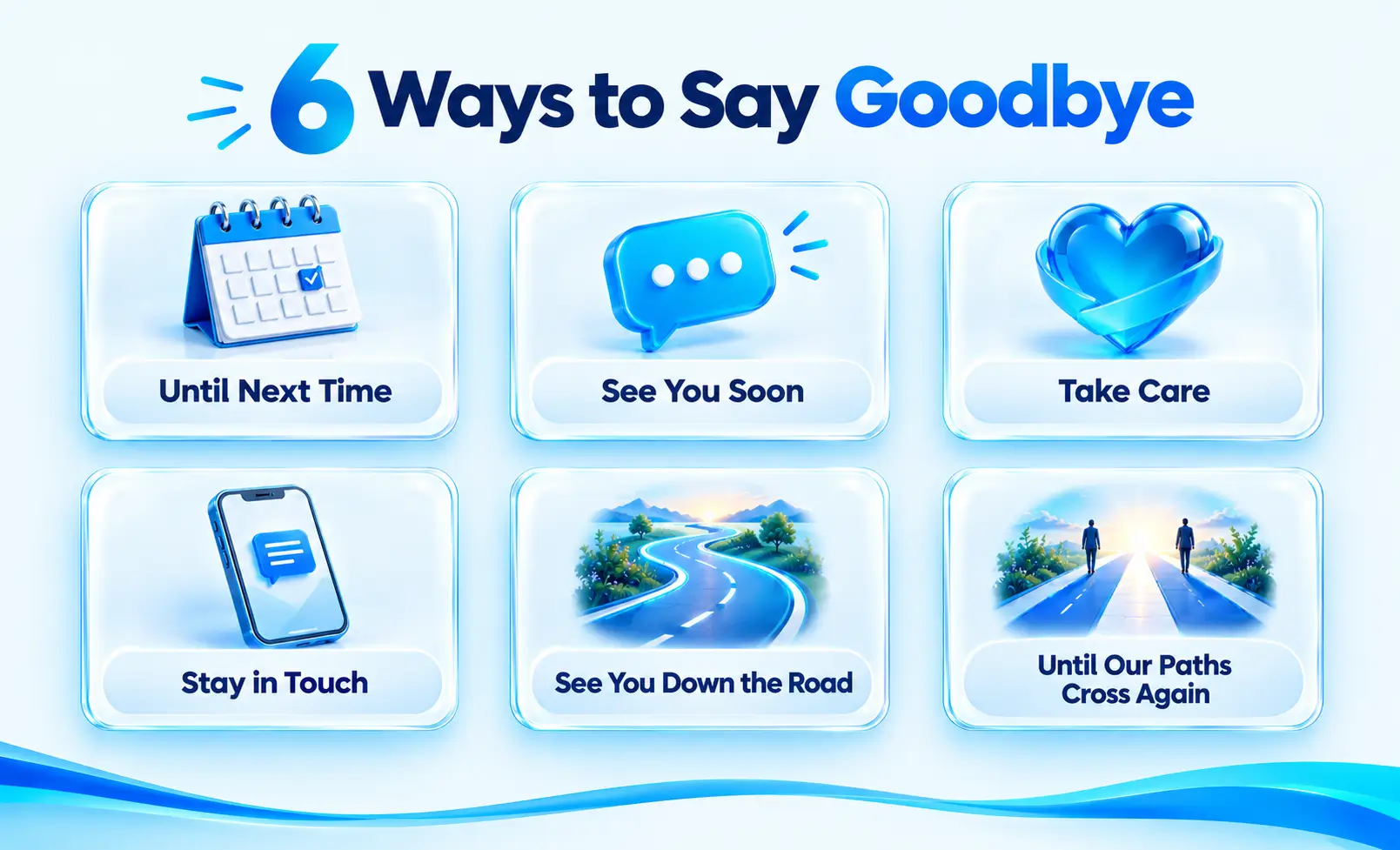
Here are 15 alternatives for different situations, from casual goodbyes to emotional farewells.
1. Until Next Time
Meaning: This phrase expresses the expectation of seeing someone again, without specifying when. It sounds friendly and natural in everyday American English.
Best For: Casual, Friendly, Professional
Example 1: “Thanks for stopping by. Until next time!”
Example 2: “It was great working with everyone. Until next time, team.”
Quick Tip: Use this when you expect to reconnect but do not have a specific date planned.
2. See You Soon
Meaning: “See you soon” is a cheerful, familiar way to say goodbye. It suggests that another meeting will happen in the near future.
Best For: Casual, Friendly, Warm
Example 1: “I had a wonderful time today. See you soon!”
Example 2: “Have a safe trip home, and see you soon.”
Quick Tip: Choose this when you expect to see the person again relatively soon.
3. Take Care Until We Meet Again
Meaning: This expression combines a caring farewell with the hope of meeting again. It communicates kindness, especially when someone is leaving for an uncertain period.
Best For: Warm, Friendly, Polite
Example 1: “I’ll miss our weekend chats. Take care until we meet again.”
Example 2: “Wishing you happiness in your new city. Take care until we meet again.”
Quick Tip: Use it when you want your goodbye to feel personal and thoughtful.
4. Until We See Each Other Again
Meaning: This phrase restates the idea of meeting in the future in a gentle, sincere way. It can sound slightly more deliberate than a quick, everyday goodbye.
Best For: Formal, Warm, Polite
Example 1: “Thank you for sharing these memories with us. Until we see each other again.”
Example 2: “Enjoy your time abroad, and stay in touch until we see each other again.”
Quick Tip: This works well in farewell messages and personal letters.
5. Looking Forward to Seeing You Again
Meaning: This expression emphasizes your enthusiasm about a future meeting. Rather than simply ending the conversation, it shows that you genuinely value the person’s company.
Best For: Professional, Formal, Warm
Example 1: “Thank you for the productive meeting. I’m looking forward to seeing you again.”
Example 2: “We enjoyed having you as our guest and look forward to seeing you again.”
Quick Tip: This is especially useful for professional emails, invitations, and follow-up messages.
6. Until Our Paths Cross Again
Meaning: This slightly poetic phrase suggests that two people may meet again as their lives move forward. It works particularly well when the timing of a reunion is uncertain.
Best For: Warm, Formal, Friendly
Example 1: “You’ve made a lasting difference in our lives. Until our paths cross again.”
Example 2: “Wherever your next adventure takes you, I wish you well until our paths cross again.”
Quick Tip: Save this expression for meaningful farewells rather than routine workplace conversations.
7. See You Next Time
Meaning: This straightforward phrase suggests another meeting at a future event, gathering, or regular activity. It is relaxed and easy to use in everyday conversation.
Best For: Casual, Friendly, Professional
Example 1: “Thanks for joining our book club. See you next time!”
Example 2: “Great playing with you today. See you next time at practice.”
Quick Tip: Use it when another meeting is likely, especially if you share a regular activity.
8. Until We Meet Once More
Meaning: This expression offers a more expressive version of a traditional farewell. It emphasizes the possibility of a reunion and carries a gentle, sentimental tone.
Best For: Formal, Warm
Example 1: “May your journey bring you peace and happiness until we meet once more.”
Example 2: “I’ll always remember our time together. Until we meet once more, my friend.”
Quick Tip: This phrase fits farewell cards, speeches, and reflective writing better than casual chats.
9. I’ll See You Around
Meaning: “I’ll see you around” is an informal goodbye that suggests you may run into someone again. It does not promise a planned meeting or a particular date.
Best For: Casual, Friendly
Example 1: “I’m heading out now. I’ll see you around!”
Example 2: “It was nice catching up after class. I’ll see you around campus.”
Quick Tip: Use it with acquaintances, classmates, and coworkers you expect to encounter again.
10. Stay in Touch
Meaning: This phrase encourages continued communication after a goodbye. It is especially useful when two people may not see each other regularly but want to maintain their relationship.
Best For: Friendly, Warm, Professional, Polite
Example 1: “Even though you’re moving across the country, let’s stay in touch.”
Example 2: “I enjoyed collaborating with you on this project. Please stay in touch.”
Quick Tip: Follow through with a message or call so your words feel genuine.
11. Until We Reconnect
Meaning: This expression focuses on restoring contact after a period apart. It sounds intentional and can suit both personal relationships and professional connections.
Best For: Professional, Formal, Warm
Example 1: “Thank you for your guidance. I hope we can reconnect soon.”
Example 2: “Enjoy your sabbatical, and I look forward to catching up when we reconnect.”
Quick Tip: In everyday conversation, “until we reconnect” may sound less natural than “let’s catch up soon.”
12. Wishing You Well Until We Meet Again
Meaning: This farewell combines good wishes with the hope of a future reunion. It shows that you care about the other person’s well-being even when you will be apart.
Best For: Formal, Warm, Polite
Example 1: “As you begin this new chapter, I’m wishing you well until we meet again.”
Example 2: “May your next adventure be rewarding. Wishing you well until we meet again.”
Quick Tip: Use this in farewell letters, retirement messages, and thoughtful goodbye cards.
13. See You Down the Road
Meaning: This relaxed expression suggests that you may meet again sometime in the future. It has a conversational tone and can imply that life will bring another opportunity to connect.
Best For: Casual, Friendly
Example 1: “It’s been great catching up. See you down the road!”
Example 2: “Good luck with the new job, and maybe I’ll see you down the road.”
Quick Tip: This is a good choice for informal farewells when you do not know when you will meet again.
14. Until Our Next Reunion
Meaning: This phrase highlights the next occasion when people come together again. It feels more deliberate than a simple goodbye and is especially suitable for groups or people separated by distance.
Best For: Formal, Warm, Friendly
Example 1: “Let’s make more memories when we gather again. Until our next reunion!”
Example 2: “Thank you for making the family gathering so special. Until our next reunion.”
Quick Tip: Use it for family gatherings, alumni events, and group farewells.
15. This Isn’t Goodbye, Just See You Later
Meaning: This reassuring expression suggests that a separation is temporary rather than final. It can help soften an emotional farewell by focusing on the possibility of meeting again.
Best For: Warm, Friendly, Casual
Example 1: “You’ve been such an important part of my life. This isn’t goodbye, just see you later.”
Example 2: “We’ll miss having you here, but this isn’t goodbye, just see you later.”
Quick Tip: Choose this for close friends, family members, and colleagues leaving on good terms. Avoid it when a future reunion is genuinely unlikely.
Comparison Table: 15 Alternatives to “Until We Meet Again”

| Alternative | Best Used In | Tone |
|---|---|---|
| Until next time | Everyday goodbyes | Friendly |
| See you soon | Friends and family | Cheerful |
| Take care until we meet again | Personal farewells | Caring |
| Until we see each other again | Letters and farewells | Sincere |
| Looking forward to seeing you again | Work emails and meetings | Professional |
| Until our paths cross again | Meaningful departures | Reflective |
| See you next time | Events and regular activities | Casual |
| Until we meet once more | Farewell cards and speeches | Sentimental |
| I’ll see you around | Casual encounters | Relaxed |
| Stay in touch | Long-distance relationships | Encouraging |
| Until we reconnect | Professional and personal connections | Intentional |
| Wishing you well until we meet again | Farewell messages | Thoughtful |
| See you down the road | Informal goodbyes | Laid-back |
| Until our next reunion | Group gatherings | Warm |
| This isn’t goodbye, just see you later | Emotional farewells | Reassuring |
Common Mistakes When Choosing a Farewell Phrase

Even a simple goodbye can sound awkward if the wording does not match the situation. Avoid these five common mistakes.
1. Using casual phrases in formal emails. Expressions like “I’ll see you around” may sound too relaxed when writing to a new client. Choose “I look forward to seeing you again” instead.
2. Choosing overly formal language. Saying “Until we meet once more” to a friend after lunch may feel unnatural. Use “See you soon” for everyday conversations.
3. Repeating the same farewell. Using “until we meet again” in every message can make your writing feel predictable. Vary your wording based on the occasion and your relationship.
4. Ignoring the context. “See you soon” suggests a relatively near reunion, while “until our paths cross again” allows for a more uncertain future. Choose a phrase that reflects what you actually expect.
5. Making promises you cannot keep. Saying “I’ll see you next week” when no meeting is planned may create false expectations. Use “I hope we meet again” when the timing is uncertain.
Frequently Asked Questions
1. What is another way to say “until we meet again”?
You can say “until next time,” “see you soon,” “until our paths cross again,” or “take care until we meet again.” Each expression communicates the possibility of meeting in the future. Choose a phrase that matches your relationship with the person and the feelings you want to convey.
2. What is a more heartfelt way to say “until we meet again”?
“Until our paths cross again” and “this isn’t goodbye, just see you later” are heartfelt alternatives. The first sounds reflective, while the second offers reassurance during an emotional separation. You can also say, “I’ll cherish our memories until we meet again,” when you want to express deeper affection.
3. How do you say “until we meet again” professionally?
In a professional setting, try “I look forward to seeing you again,” “I look forward to our next meeting,” or “I hope we have another opportunity to work together.” These expressions sound courteous and confident. They work well in business emails, networking messages, meeting follow-ups, and professional farewell notes.
4. What is a casual way to say “until we meet again”?
Casual alternatives include “see you soon,” “until next time,” “I’ll see you around,” and “see you down the road.” These phrases work well with friends, classmates, neighbors, and familiar coworkers. Use “see you soon” when you expect another meeting relatively soon, and “I’ll see you around” when plans are uncertain.
5. Is “until we meet again” formal or informal?
“Until we meet again” can be used in both formal and informal settings. However, it often sounds more sentimental or deliberate than everyday expressions such as “see you later.” It fits farewell letters, speeches, and meaningful goodbyes, but you can also use it when parting from someone you care about.
6. What is a poetic way to say “until we meet again”?
“Until our paths cross again” is a poetic alternative that suggests life may bring two people together in the future. “Until we meet once more” is another option for reflective writing. Both expressions work well in farewell cards, personal letters, and messages about friendship, change, or new beginnings.
7. What can I write instead of “until we meet again” in a goodbye message?
For a personal goodbye message, you could write, “Take care until we meet again,” “I’ll miss you until we see each other again,” or “This isn’t goodbye, just see you later.” For a professional message, “I look forward to staying in touch” is a more suitable choice.
8. Does “until we meet again” mean goodbye forever?
No. “Until we meet again” generally expresses the hope or expectation of meeting someone in the future. It does not usually mean goodbye forever. The phrase acknowledges a separation while leaving the possibility of another meeting open. Its emotional meaning depends on the situation and the relationship between the people saying goodbye.
Conclusion
Choosing another way to say “until we meet again” helps you make a goodbye feel more personal, natural, and appropriate. Whether you’re parting from a friend, saying farewell to a coworker, or writing a heartfelt message to someone you love, the right expression can communicate warmth and leave a positive impression.
For everyday conversations, “until next time” and “see you soon” are easy choices. In professional settings, “I look forward to seeing you again” sounds polite and confident. When a farewell carries deeper emotions, “until our paths cross again” or “this isn’t goodbye, just see you later” may express your feelings more clearly.
Ultimately, you don’t need elaborate words to make a goodbye meaningful. Choose a phrase that reflects your relationship, fits the moment, and feels sincere. A thoughtful farewell can keep the door open for future conversations, shared experiences, and lasting connections.

The Majestic Studio Editorial Team creates practical resources about synonyms, alternative phrases, vocabulary, and English usage. Our content is designed to help readers choose clearer, more natural words and communicate effectively in everyday, professional, and academic contexts.
Each article is researched, edited, and reviewed for clarity, context, usefulness, and language accuracy. We regularly update our content to keep examples and recommendations relevant.